
Laguna Woods Co-ops vs. Condos: Understand What You're Buying
When exploring homes in Laguna Woods Village, one of the first things to understand is the difference between a cooperative (co-op) and a condominium (condo).
Two homes may look similar, offer comparable layouts, and provide access to the same broader Village community, but their ownership structures can be very different.
United Laguna Woods Mutual consists of stock cooperative housing, while Third Laguna Hills Mutual consists of condominium housing. This distinction affects the documents you’ll review, your ownership rights, financial responsibilities, and membership application.
As a Laguna Woods resident and Realtor®, I understand how important it is to know the differences between co-op and condo ownership. I combine firsthand community knowledge with professional real estate guidance to help you compare your options and make informed decisions, with assistance available in English and Korean.
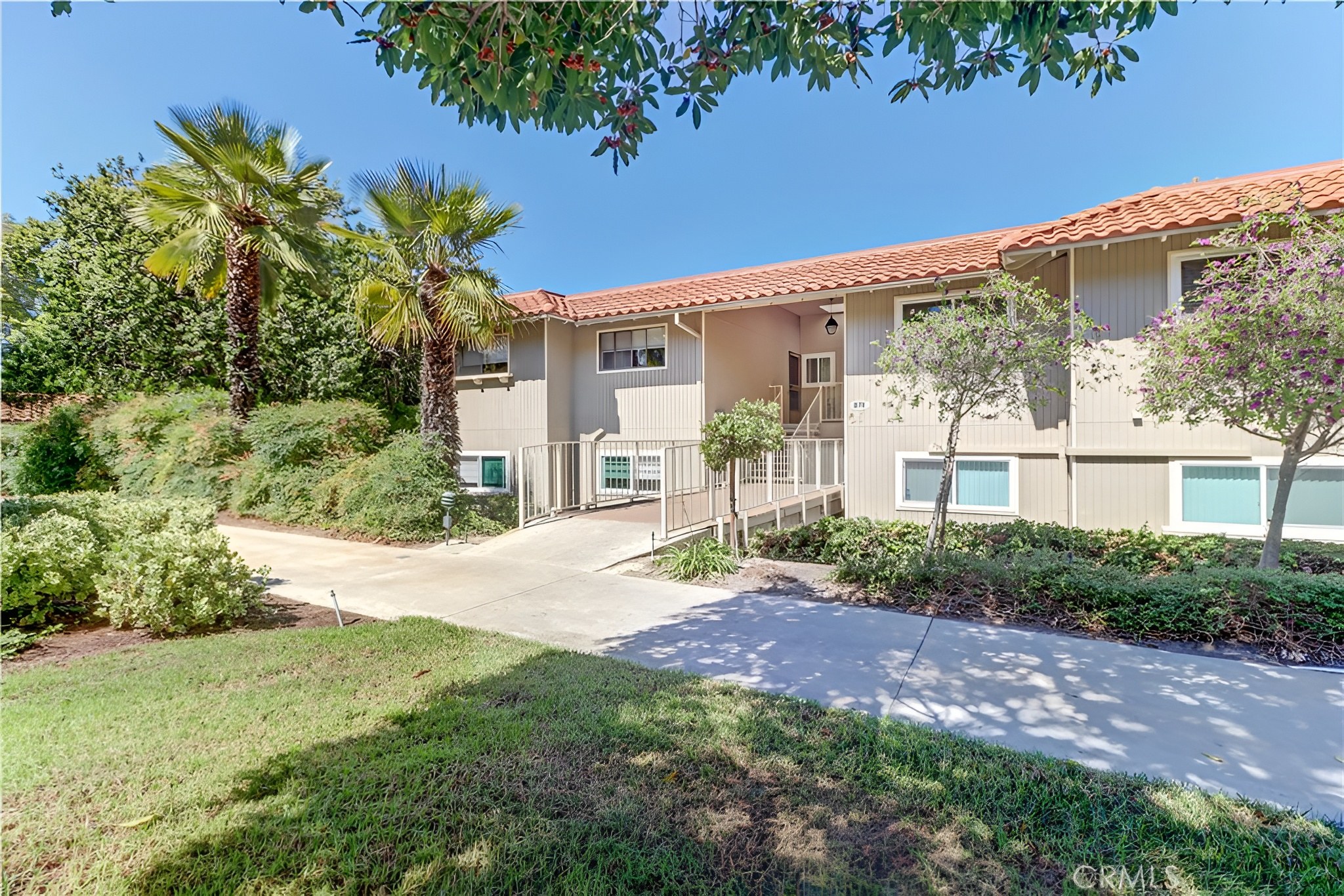
Understanding United Mutual Co-op Ownership
United Laguna Woods Mutual operates as a cooperative housing corporation.
In a stock cooperative, the corporation owns the real property. Rather than purchasing conventional condominium title, a member holds shares in the cooperative and receives the right to occupy a particular residence—commonly called a manor—under an occupancy agreement.
This means buyers should understand both the cooperative ownership structure and the membership obligations associated with the home.

What Documents Should You Review for a United Mutual Co-op?
Before purchasing a co-op, ask to review:
The current United Mutual membership requirements and application.
The occupancy agreement and applicable governing documents.
The home’s monthly assessment statement.
Information about maintenance and property-related responsibilities.
Available alteration and improvement records.
Proof of available funds for a cash purchase.
These records help explain how the cooperative operates and which responsibilities belong to the member or the mutual.

Can You Finance a Laguna Woods Co-op?
United Laguna Woods Mutual co-op properties are cash purchase only. Mortgage financing is not available for these purchases.
Buyers must have sufficient funds to purchase the property outright and must meet United Mutual’s financial qualifications and membership approval requirements.
Before proceeding, confirm any proposed financing directly with United Mutual and the lender.
You can learn more from the official United Mutual ownership information.

Understanding Third Mutual Condominium Ownership
Third Laguna Hills Mutual consists of condominium housing.
Condominium ownership generally includes a separate interest in an individual unit and a shared interest in the project’s common property.
Owners contribute toward applicable common expenses and reserves and are subject to the mutual’s governing documents and membership requirements.
Although this structure may be more familiar to buyers who have purchased a condominium elsewhere in California, Laguna Woods Village still has its own approval process and community-specific rules.
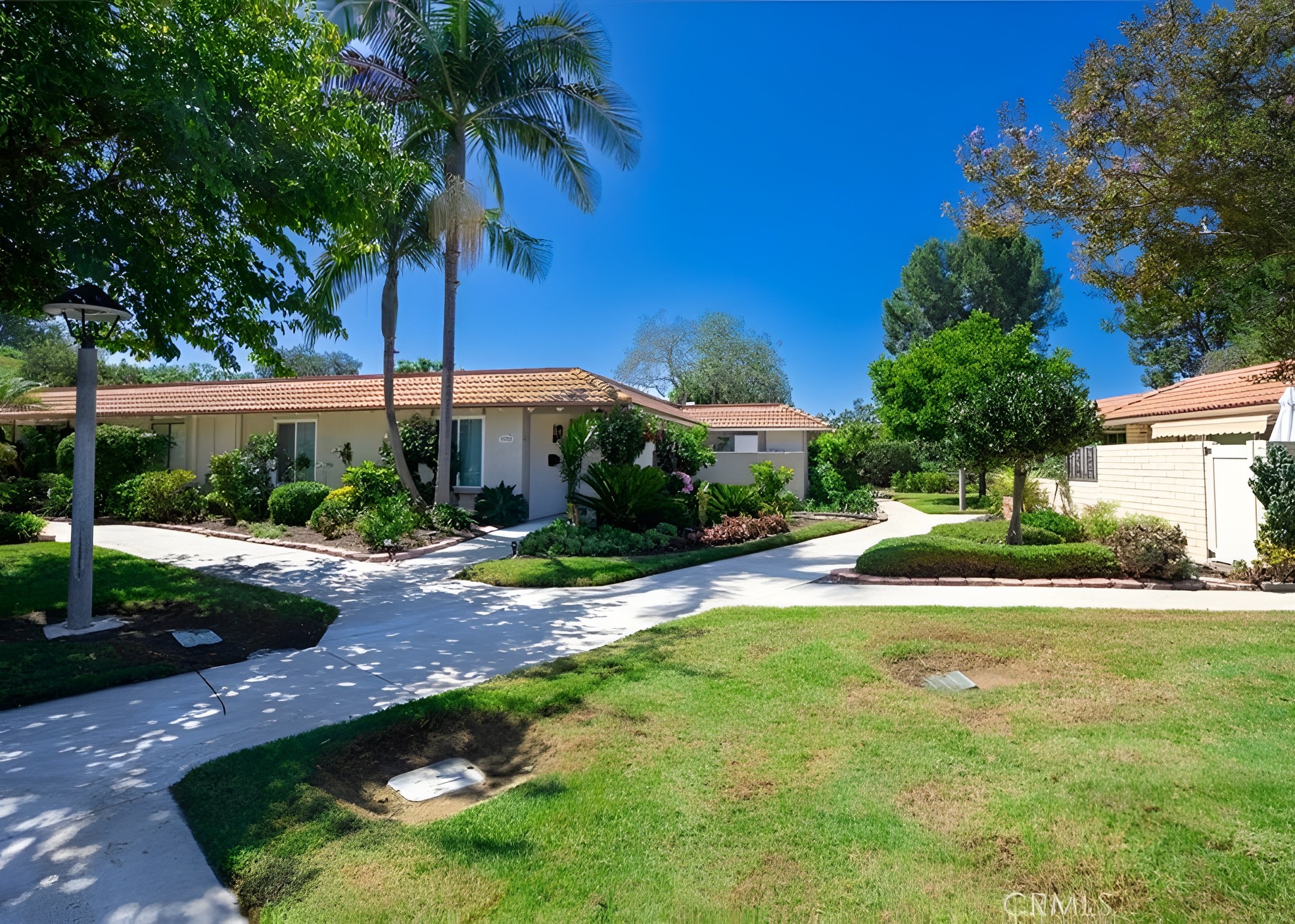
What Documents Should You Review for a Third Mutual Condo?
Before moving forward with a condominium purchase, review:
The current Third Mutual membership application.
The condominium governing documents.
The property’s monthly assessment statement.
Available association budgets, financial information, and disclosures.
Property condition and alteration records.
Lender requirements if financing is involved.
A general mortgage preapproval does not guarantee that every condominium project or individual property will qualify for a particular loan.
For more information, visit the official Third Mutual ownership page.
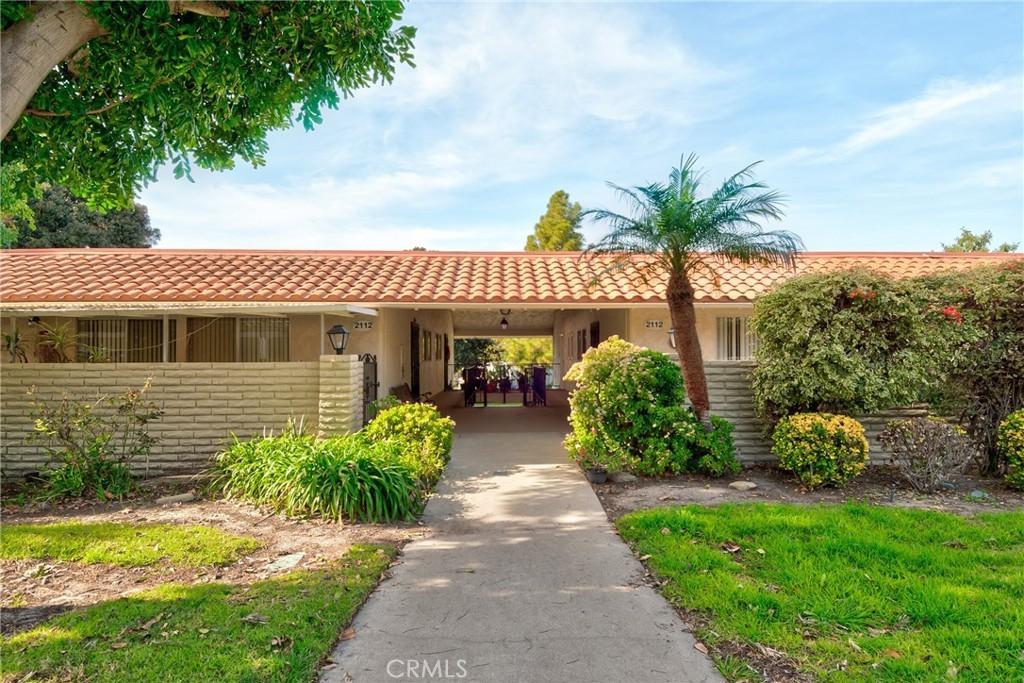
Can You Finance a Third Mutual Condo?
Financing may be available when purchasing a Third Mutual condominium, subject to lender approval and property eligibility.
Some buyers may need non-warrantable condominium loan programs if the property does not meet conventional lending requirements. Buyers should discuss these options with a qualified lender before making an offer.
Mortgage approval and Third Mutual membership approval are separate requirements.
Laguna Woods Co-op vs. Condo: Key Differences
Ownership consideration
United Mutual Co-op
Third Mutual Condo
Ownership structure
Shares in a cooperative corporation with occupancy rights
Individual condominium ownership interest with shared common-property interest
Governing documents
Cooperative documents and occupancy agreement
Condominium and mutual governing documents
Monthly expenses
Assessments under the cooperative’s applicable financial arrangements
Assessments supporting common expenses and reserves
Buyer approval
United Mutual membership requirements
Third Mutual membership requirements
Financing
Cash Purchase Only
Must be confirmed for the particular property and loan
Property alterations
Subject to applicable mutual procedures
Subject to applicable mutual procedures
Leasing
Subject to United Mutual leasing rules
25% leasing cap and authorization requirements
These are general differences, not a substitute for reviewing the documents of a particular property.
What Should Buyers Compare Beyond Ownership Type?
Understanding the legal structure is important, but it is only one part of choosing a home.
If you’re preparing to purchase a home in Laguna Woods Village, explore my Buyer’s Guide for a broader overview of the home-buying process and the steps to consider before making your next move.
Monthly Assessments and Ownership Costs
Each property should be evaluated using its current monthly assessment and relevant financial disclosures.
Ask what is included, which expenses are billed separately, and whether any one-time purchase charges apply.
For a more detailed explanation, read my Laguna Woods Village HOA Fees & Ownership Costs Guide.
Membership and Residency Requirements
Both United and Third have membership requirements that should be reviewed early in the purchase process.
A buyer’s financial circumstances and proposed household arrangement may affect which questions need to be addressed before proceeding.
Explore my Laguna Woods Village Buyer Requirements Guide for more information.
Property Condition and Alterations
A remodeled kitchen, enclosed patio, or modified floor plan may look appealing, but buyers should confirm what supporting records are available.
Ask about alterations and applicable approval requirements rather than assuming that completed improvements were automatically authorized.
Your Plans for the Property
Consider how you intend to occupy and use the home.
If you have questions about another occupant, a caregiver arrangement, future renovations, or leasing, review the current mutual-specific requirements before making assumptions.
Third Mutual Leasing Restrictions
Third Laguna Hills Mutual adopted a 25% leasing cap effective May 1, 2025.
Under this restriction, new owners subject to the cap generally cannot lease their condominium while the mutual’s leasing percentage is at or above 25%. Existing owners who acquired their units before adoption of the restriction may qualify for grandfathering provisions.
Even when the leasing percentage falls below 25%, leasing remains subject to the mutual’s authorization procedures and applicable waiting-list rules.
Buyers planning to rent a condominium should verify the current leasing percentage, eligibility, and approval requirements before purchasing.

Where Do the Towers Fit Into Laguna Woods Village?
The Towers, also known as Mutual No. Fifty, is a separate, self-managed housing mutual.
It should not automatically be grouped under the United or Third ownership and membership procedures.
If you’re considering a residence in the Towers, review its own governing documents, charges, services, and purchase requirements.
You can learn more from the official Laguna Woods Village governance overview.
Frequently Asked Questions
Are Laguna Woods Co-ops and Condos in the Same Community?
Yes. United Mutual and Third Mutual are both part of Laguna Woods Village, but they operate under distinct ownership structures and governing documents. Shared community facilities are overseen through the Golden Rain Foundation.
Can I Tell Whether a Property Is a Co-op or Condo From Its Appearance?
No. A home’s exterior design, renovation style, or floor-plan name does not establish its legal ownership type. Confirm the mutual and ownership details through the property documents.
Are All United Mutual Co-ops Cash-Only?
Do not rely on a universal cash-only rule. Financing possibilities and acceptable arrangements should be confirmed with the applicable mutual and lender for the specific purchase.
Is Buying a Condo Easier Than Buying a Co-op?
Not necessarily. Each ownership type has its own documentation and requirements. The right option depends on your budget, the property, your intended use, and whether you can meet the applicable conditions.
Do Both United and Third Require Membership Approval?
Yes. The appropriate mutual evaluates membership according to its requirements. A buyer should review the current application package before planning the transaction.
Still Have Questions?
Let's Find the Right Laguna Woods Village Home for You
Choosing between a co-op and a condo is about more than comparing prices and floor plans. It’s about understanding the ownership structure, costs, and requirements that come with each property.
If you’re considering a Laguna Woods Village home, I’d be happy to help you compare the available information and identify the questions to address before making an offer.
Personalized real estate guidance in English and Korean. 한국어 상담 가능합니다.
Call (949) 315-8654, explore property listings, or visit my Laguna Woods Village community guide.